











Day Trading
Number of Strategies
0
Overall Win Rate
—
Day trading is a financial market trading style in which traders open and close positions within the same day to profit from short-term price movem...
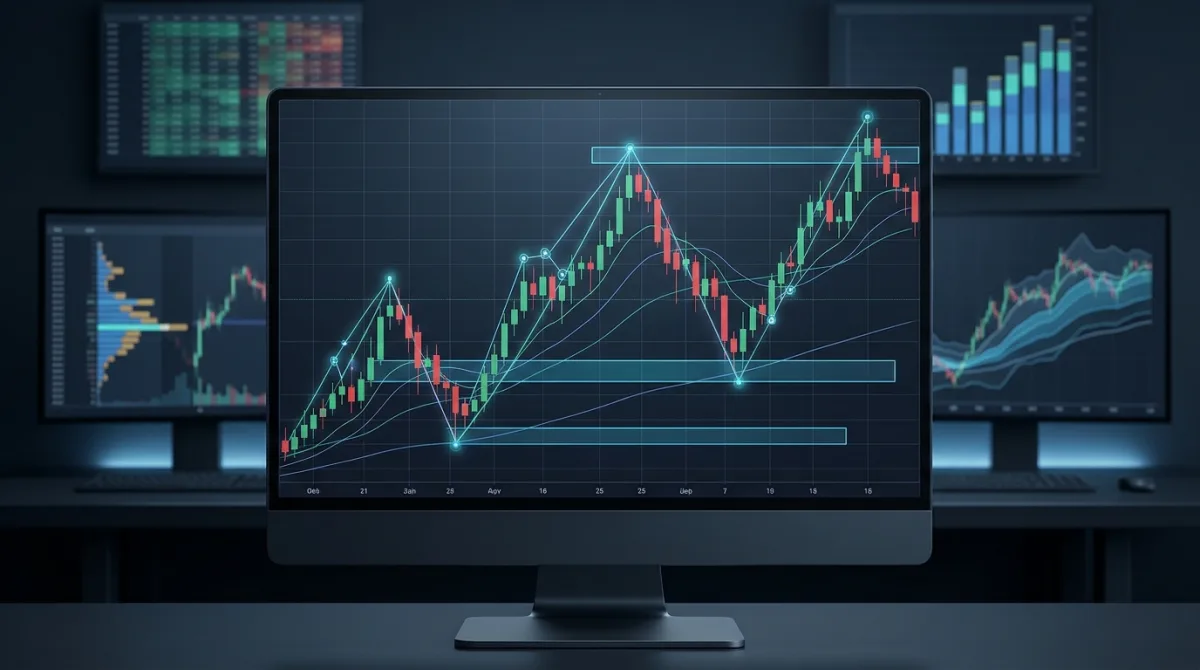
# What Is Day Trading? Day trading is a popular financial market trading style in which traders open and close positions within the same trading day to profit from short-term price movements. Unlike longer-term trading approaches, day traders generally avoid holding positions overnight and focus on taking advantage of intraday market opportunities. This trading style is used across various financial markets, including cryptocurrencies, forex, and stocks. Due to its fast-paced nature, day trading requires analytical skills, concentration, a well-defined strategy, and disciplined risk management. ### How Does Day Trading Work? Day traders analyze price charts, trading volume, market trends, and technical indicators to identify short-term buying and selling opportunities. Their primary objective is to enter a position at a favorable price and close it before the end of the trading day. Common tools used in day trading include: - Moving Averages - Relative Strength Index (RSI) - Moving Average Convergence Divergence (MACD) - Bollinger Bands - Trading Volume - Support and Resistance Levels - Candlestick Patterns ### Key Characteristics of Day Trading - Positions are opened and closed within the same day. - Focuses on short-term price movements. - Uses shorter chart timeframes, such as 1-minute, 5-minute, 15-minute, and 30-minute charts. - Requires frequent market monitoring. - Involves quick decisions based on a defined trading strategy. - Places strong emphasis on capital management and emotional discipline. ### Advantages of Day Trading One of the main advantages of day trading is that positions are closed before the end of the trading day. This generally eliminates overnight exposure to unexpected events while a position remains open. Other potential advantages include: - Multiple trading opportunities throughout the day. - No need to hold positions for extended periods. - Faster feedback on trading strategy performance. - Opportunities across different financial markets. - Greater control over trade entry and exit timing. ### Disadvantages and Risks of Day Trading Despite offering frequent trading opportunities, day trading is considered a high-risk trading style. Rapid price fluctuations can lead to significant losses, while transaction fees may reduce overall profitability when traders execute numerous trades. Some of the main challenges include: - The need for continuous market attention. - Psychological pressure caused by rapid decision-making. - The risk of overtrading. - The impact of trading fees and slippage. - The possibility of consecutive losses during unfavorable market conditions. ### Risk Management in Day Trading Risk management is one of the most important factors in day trading. Traders should determine their acceptable risk before entering a position and avoid making emotional decisions. Important risk management principles include: 1. Setting a stop-loss for every trade. 2. Choosing appropriate position sizes based on available capital. 3. Maintaining a reasonable risk-to-reward ratio. 4. Limiting the number of daily trades. 5. Recording and reviewing trading performance. 6. Avoiding the excessive or unplanned use of leverage. ### Day Trading vs. Swing Trading In day trading, all positions are closed within the same day. In contrast, swing traders may hold positions for several days or even weeks. Day trading requires more frequent market monitoring and faster decision-making, while swing trading generally allows more time for analysis and trade planning. ### Conclusion Day trading is a short-term trading approach focused on identifying and taking advantage of intraday price movements. Technical analysis, a clearly defined strategy, emotional discipline, and effective capital management are essential for participating in this trading style. Beginners should consider practicing their strategies in a demo account before trading with real money and make sure they understand the risks involved.
Key Features
Key Features

View Post Details